
As I stared at the delicate shells sitting in my kitchen, the scent of freshly baked French macarons enveloped me in a sweet embrace. It’s an amazing feeling to master such a classic treat, and with this beginner-friendly guide on how to make macarons, you’ll be whisking up your own batch in no time! These gluten-free delights provide a fun baking adventure while offering a perfect balance of crispness and chewiness—ideal for impressing friends or enjoying a cozy night in. The satisfaction of creating beautiful macarons is unparalleled, but what makes this recipe even better? You’ll learn essential techniques to conquer humidity and whip up the ideal meringue, ensuring that your macarons not only look stunning but taste fantastic too! Ready to dive into the art of macaron-making? Let’s get started!
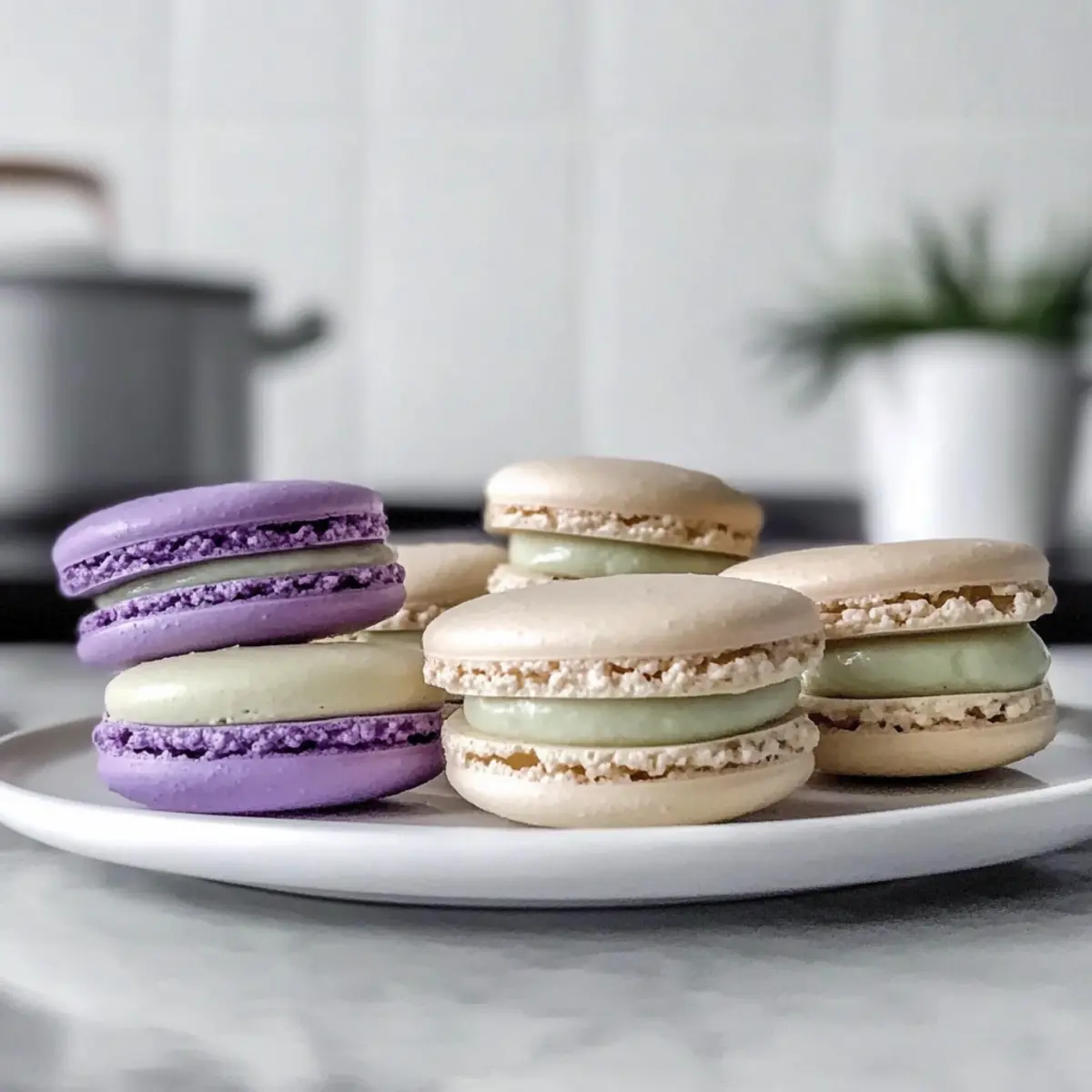
Why Are These Macarons So Special?
Simplicity at Its Core: The techniques are designed to be beginner-friendly, making the art of macaron-making accessible.
Delightful Flavor: With a classic vanilla base and customizable fillings, each bite is a whimsical burst of sweetness that can be tailored to your taste preferences.
Gluten-Free Goodness: Perfect for gluten-free fans or those accommodating dietary restrictions, these macarons offer indulgence without compromise.
Perfect Texture: Enjoy a harmonious blend of crisp shells and a tender, chewy center, creating a truly delightful experience with every mouthful.
Impress Your Guests: These beautiful treats are sure to elevate any gathering and leave your friends in awe of your baking prowess!
Expert Tips Included: Our guide features essential tips for success, like managing humidity and whipping the perfect meringue, ensuring your macarons turn out beautifully every time.
How to Make Macarons: Ingredients
For the Shells
• Almond Flour – Use super-fine almond flour for the best texture; coarser varieties can lead to uneven shells.
• Powdered Sugar – This sweetens the shells while contributing to their smooth surface.
• Granulated Sugar – Essential for stabilizing egg whites and creating a strong, glossy meringue.
• Egg Whites – Room temperature egg whites whip better, leading to a lighter macaroon texture.
• Salt – A pinch enhances the overall flavor while stabilizing the meringue.
• Vanilla Extract – Adds a lovely flavor to the shells; consider other extracts like almond or lemon for a twist.
• Food Coloring (optional) – Gel or powdered options are best; avoid liquids to ensure your macarons keep their structure.
For the Filling
• Macaron Filling – Choose from dairy-free buttercream, creamy jam, vibrant lemon curd, or rich chocolate ganache based on your dietary needs.
With these ingredients on hand, you’re well on your way to mastering how to make macarons that are both beautiful and delicious!
Step‑by‑Step Instructions for How to make macarons: beginner friendly!
Step 1: Prepare Your Ingredients
Start by measuring 100 grams each of super-fine almond flour and powdered sugar into a bowl. Sift this mixture twice to remove lumps and ensure a smooth texture in your macarons. It’s essential to create a light and airy base, so take your time with this step before moving on.
Step 2: Whip the Meringue
In a clean mixing bowl, add 110 grams of room temperature egg whites and a pinch of salt. Using a stand mixer, whip on medium speed until foamy, about 2 minutes. Gradually add 100 grams of granulated sugar while continuing to whip until stiff peaks form, which should take around 5 minutes. The meringue should be glossy and hold its shape perfectly.
Step 3: Fold in the Dry Ingredients
Gently fold one-third of the sifted almond flour and powdered sugar mixture into the meringue using a spatula. Be careful not to deflate the meringue. Once combined, add the remaining dry ingredients in two more additions, folding until the batter flows smoothly off the spatula like thick lava, taking about 5–7 minutes in total.
Step 4: Pipe the Macaron Shells
Transfer the macaron batter into a piping bag fitted with a round tip. Line two baking sheets with parchment paper. Pipe evenly sized circles, about 1.5 inches in diameter, leaving space between each. Once piped, tap the baking sheets firmly on the counter to release air bubbles and ensure a flat surface for your shells.
Step 5: Dry the Shells
Allow the piped macaron shells to sit at room temperature for 30 to 60 minutes, or until they form a glossy skin that doesn’t stick to your finger when lightly touched. This step is crucial for developing the signature “feet” of your macarons. While the shells dry, preheat your oven to 150°C (300°F).
Step 6: Bake the Macarons
Bake the macarons in the preheated oven for 12–15 minutes. You’ll know they are ready when they’ve risen, formed feet, and are no longer shiny on top. Let them cool completely on the baking sheets before gently transferring them to a wire rack, ensuring they remain intact.
Step 7: Assemble and Fill
Once the shells have cooled, pair them by size. Choose your desired macaron filling, whether it’s dairy-free buttercream, jam, or chocolate ganache. Pipe a small dollop onto the flat side of one shell, then gently sandwich it with another shell. Repeat until all your delicious macaron shells are filled and ready to enjoy!
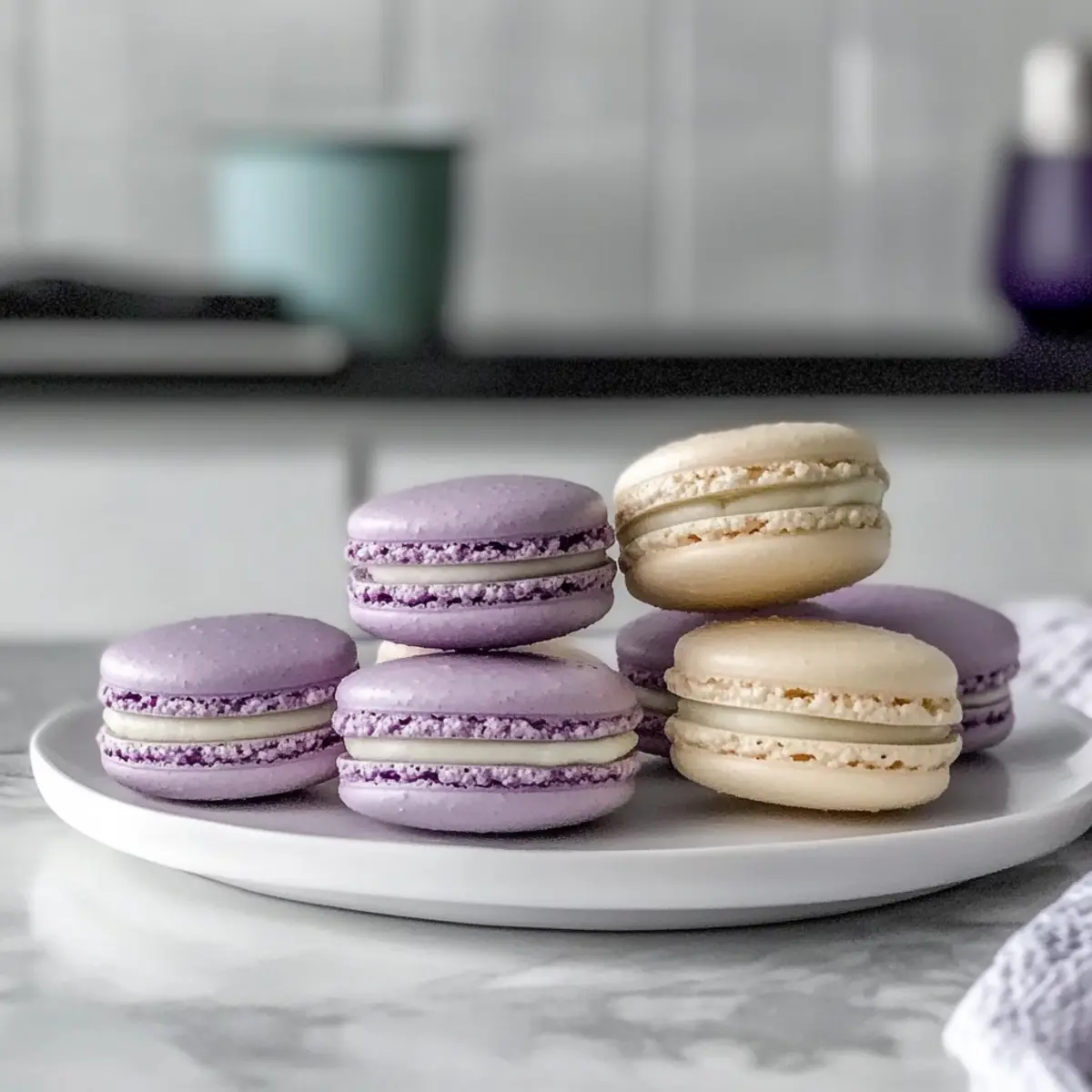
Expert Tips for Making Macarons
• Weigh Your Ingredients: Use a kitchen scale for precise measurements in grams. Accurate amounts are crucial for perfect macarons!
• Mind the Weather: Be cautious of humidity when making macarons. If it’s humid, try baking on a drier day to avoid flat shells.
• Avoid Oily Tools: Ensure that all bowls and utensils are completely clean and oil-free; any residue can prevent your meringue from whipping properly.
• Perfect Piping: Use a piping bag with a round tip for even, uniform macarons. Don’t forget to bang the sheets to eliminate air bubbles!
• Dry Time is Key: Allow the piped shells to dry until they form a skin. This is essential for developing those beautiful “feet.”
With these expert tips on how to make macarons, you’re set for success in your baking adventure!
How to Make Macarons: Variations & Substitutions
Feel free to get creative and make this macaron recipe your own—the possibilities are as delightful as the sweet treats themselves!
-
Nut-Free: Substitute almond flour with sunflower seed flour to create a nut-free version without compromising flavor or texture. This swap maintains the delightful chewy bite you’re aiming for!
-
Flavorful Extracts: Experiment with different extracts like lemon, almond, or peppermint to elevate your macarons with exciting flavor twists. Each extract will bring its unique essence to the shells, creating a surprise in every bite!
-
Natural Colors: Use natural food dyes made from fruits or vegetables for a colorful touch without artificial ingredients. Think beet juice for pink or spirulina for a lovely green hue—your macarons will be a feast for the eyes!
-
Fruit Purees: Incorporate a small amount of fruit puree into your filling (like strawberry or raspberry) for a fruity burst. This adds a refreshing contrast to the sweetness and can brighten up any dessert platter.
-
Coconut Flour Swap: Replace almond flour with finely ground coconut flour for a gluten-free variation. Keep in mind that coconut flour absorbs more moisture, so you may need to adjust your egg whites accordingly.
-
Heat Level: Add a pinch of cayenne or chili powder to your filling for a spicy surprise! The warmth balances the sweetness beautifully for adventurous taste buds.
-
Chocolate Lovers: Mix cocoa powder into your shell batter for chocolate macarons that pair wonderfully with rich chocolate ganache filling. The chocolate flavor adds depth to your treats, perfect for chocoholics!
-
Vegan Adaptation: Use aquafaba (chickpea brine) in place of egg whites for a completely vegan version of these delicious treats. Though the process is similar, aquafaba creates an airy meringue that’s just as delightful.
These variations provide a fantastic opportunity to try different flavor profiles and dietary needs. For more tips on creating custom fillings, consider checking out our delicious dairy-free buttercream options or explore the wonderful world of fruit curds to elevate your macarons further!
What to Serve with Perfect French Macarons
Imagine the delicate sweetness of French macarons as the star of your dessert table, complemented by delightful pairing options that create a memorable experience.
-
Fresh Berries: The tartness of raspberries or strawberries balances the sweetness of macarons, enhancing each bite and adding a fresh burst of flavor.
-
Silky Chocolate Ganache: A rich ganache brings a luscious, velvety texture to your dessert selection, inviting indulgence and luxuriousness.
-
Whipped Cream with Vanilla: Light and airy, whipped cream adds a decadent touch, blending beautifully with the chewy centers of your macarons.
-
Coffee or Espresso: A strong, aromatic coffee serves as the perfect palette cleanser, cutting through the sweetness while enhancing the indulgence of each delicious macaron.
-
Earl Grey Tea: The floral notes of Earl Grey create an elegant pairing, enhancing the sophisticated taste of macarons and offering a calming afternoon treat.
-
Lemon Curd: Bright and zesty lemon curd brings a tangy contrast to sweet macarons, refreshing your palate and elevating the dessert experience.
-
Macaron Tower Display: Impress guests by creating a stunning macaron tower, showcasing elegance and inviting everyone to sample!
Every delightful pairing enriches the macaron experience, turning a simple dessert into an extraordinary celebration of flavors.
Storage Tips for Macarons
Airtight Container: Keep your macarons in an airtight container at room temperature for up to 3 days to maintain their crispy exterior.
Refrigeration: For longer freshness, store them in the fridge for up to 2 weeks. Make sure they’re in a container that prevents moisture exposure.
Freezer: You can freeze macarons for up to 2 months. Place them in a single layer on a baking sheet, freeze until solid, then transfer to a freezer-safe container with parchment paper between layers.
Reheating: If frozen, thaw macarons in the fridge overnight before enjoying; they’ll be just as delightful as the day they were made—perfect for those learning how to make macarons!
Make Ahead Options
These Perfect French Macarons are fantastic for meal prep, allowing you to streamline your baking process! You can prepare the macaron shells up to 24 hours in advance; simply bake them, cool completely, and then store in an airtight container in the refrigerator to maintain their crispiness. The filling can also be made up to 3 days ahead—just keep it in a sealed container in the fridge until you’re ready to assemble. When you’re ready to enjoy your macarons, simply fill the shells and let them sit for an hour to allow the flavors to meld. This prep-ahead approach not only saves you time but ensures your macarons are just as delightful as when freshly made!
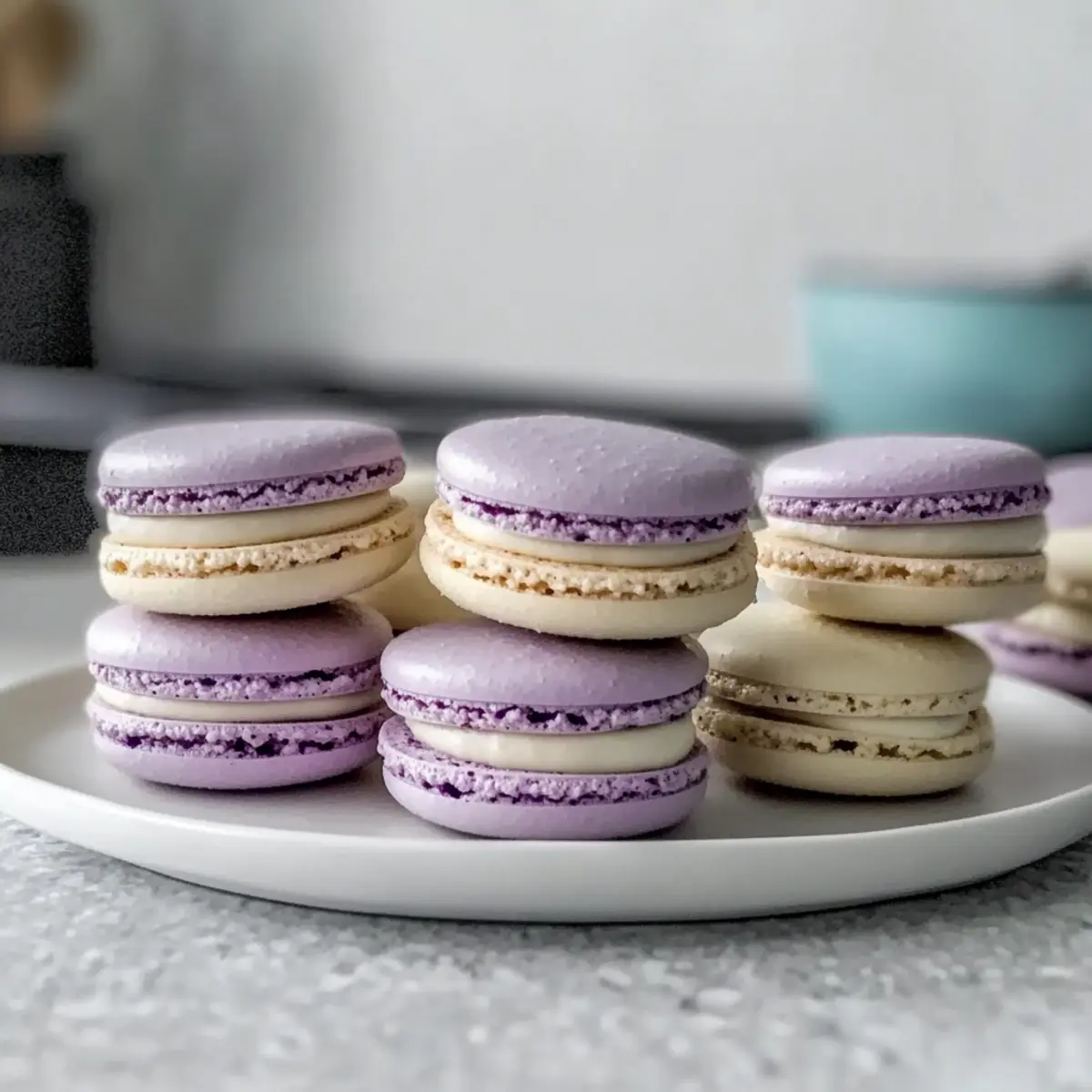
French Macarons Recipe FAQs
What type of almond flour should I use for macarons?
Absolutely! Use super-fine almond flour for the best texture in your macarons. The finer grind helps achieve that smooth surface and delicate structure you’re aiming for. Cheaper or coarser almond flour may lead to uneven shells and could affect the final presentation.
How should I store my macarons for optimal freshness?
To keep your macarons fresh, store them in an airtight container at room temperature for up to 3 days. If you need to store them longer, they can last in the fridge for up to 2 weeks. Just be sure to keep them away from moisture which can ruin their delightful crispiness!
Can I freeze macarons? If so, how?
Yes, you can freeze your macarons for up to 2 months! First, place them in a single layer on a baking sheet and freeze until solid. After that, transfer them to a freezer-safe container, placing parchment paper between layers to prevent sticking. Thaw them in the fridge overnight before enjoying for the best taste!
What if my macarons don’t form feet?
Very! If your macarons don’t develop those lovely feet, it could be due to a few factors: insufficient drying time for the batter or improper meringue consistency. Make sure to let your piped shells dry until they form a skin before baking, and check that your meringue holds stiff peaks and is glossy. If it’s humid, consider baking on a drier day.
Are these macarons suitable for those with dietary restrictions?
Indeed! This macaron recipe is gluten-free, perfect for those avoiding gluten. To cater to dairy-free diets, simply use dairy-free butter for the filling or opt for fruit jams or lemon curd. Always check ingredients for potential allergens to ensure everyone’s safety.
How can I achieve the ideal meringue consistency?
Ideal meringue should be glossy and hold stiff peaks, which generally takes about 5 minutes of whipping on medium speed. Start with room temperature egg whites and add a pinch of salt. Gradually introduce granulated sugar until it’s fully incorporated. If your meringue appears grainy or hasn’t risen, it may indicate incorrect mixing or insufficient sugar.
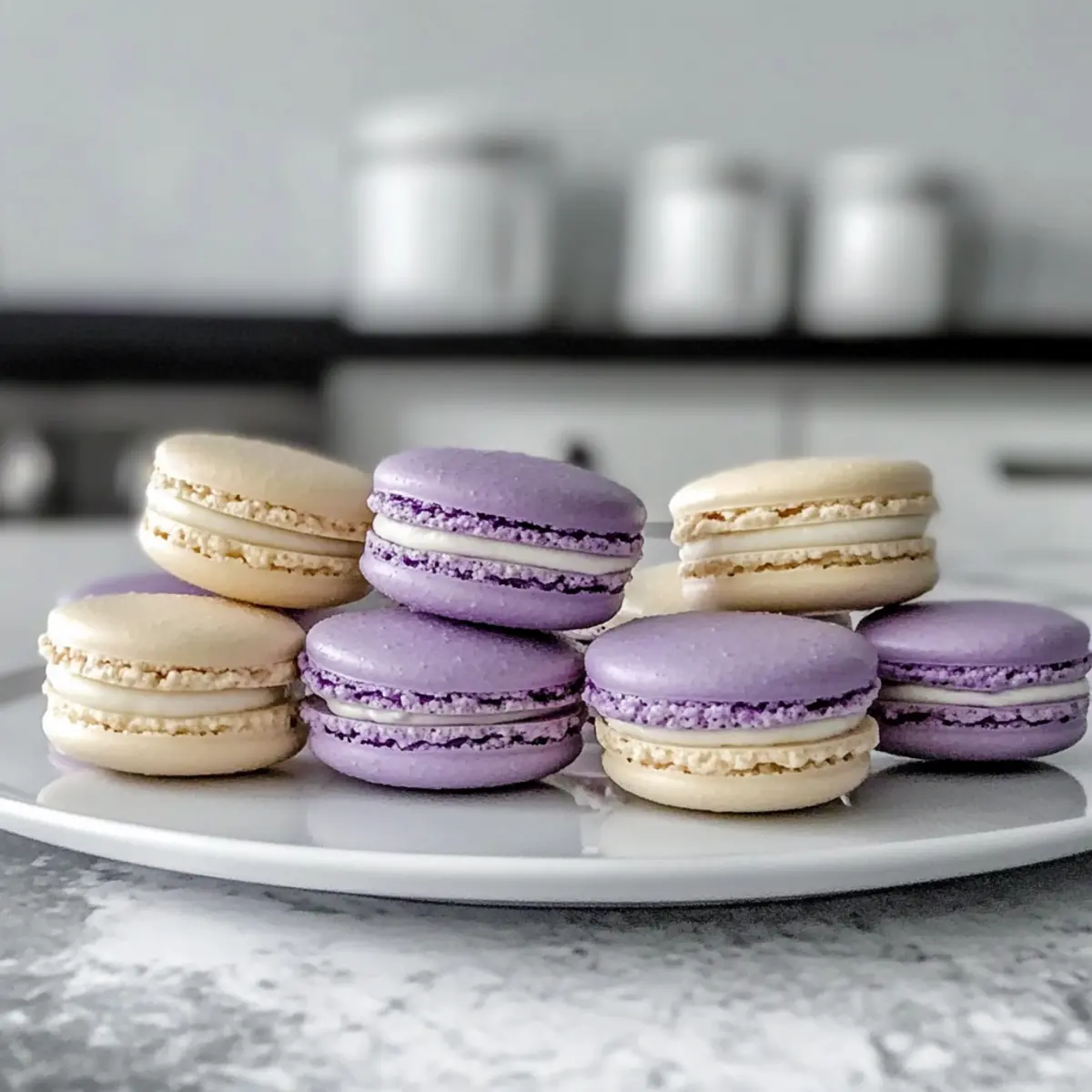
Master How to Make Macarons: Beginner Friendly Recipe Guide
Ingredients
Equipment
Method
- Prepare Your Ingredients by measuring and sifting the almond flour and powdered sugar.
- Whip the Meringue by combining egg whites and salt, then gradually adding granulated sugar until stiff peaks form.
- Fold in the Dry Ingredients gently into the whipped meringue to create a smooth batter.
- Pipe the Macaron Shells on baking sheets lined with parchment paper.
- Dry the Shells for 30 to 60 minutes until they form a skin.
- Bake the Macarons in the preheated oven until risen and no longer shiny.
- Assemble and Fill the cooled shells with your chosen filling.
Leave a Reply